
Precious metal verification course
Nowadays, the precious metals evaluated and valued in pawn shops are gold, silver, platinum, palladium, and rhodium. With a high economic value, due to their rarity or use as currency, these metals often raise questions regarding their purity and karat. This course aims to help avoid negative situations where pawn shop agents mistake common metals for precious metals. To prevent and avoid misinterpretations, both theoretical and practical experience are necessary.
COURSE DETAILS
The main focus of the course is on practical skills related to jewelry authentication.
The course structure ensures that participants acquire both practical skills and confidence in their ability to authenticate jewelry, which are essential for those working in a pawn shop, as well as for their employers.
- Course duration: 4.5 hours
- Learner level: Beginner
- Course difficulty: Easy
- Course price: 890 RON*
Course content
- Distribution and inventory of work kits
- Explanation of safety measures
- The importance of jewelry verification;
- Overview of precious materials;
- Overview of common metals and their markings;
- Jewelry made from a combination of multiple precious metals or common metals;
- Jewelry and the estimation of precious metal losses.
- Types of alloys;
- The importance and types of markings;
- The importance of practical skills and real-life examples.
- Practical exercise in visually inspecting jewelry items for the purpose of identifying materials
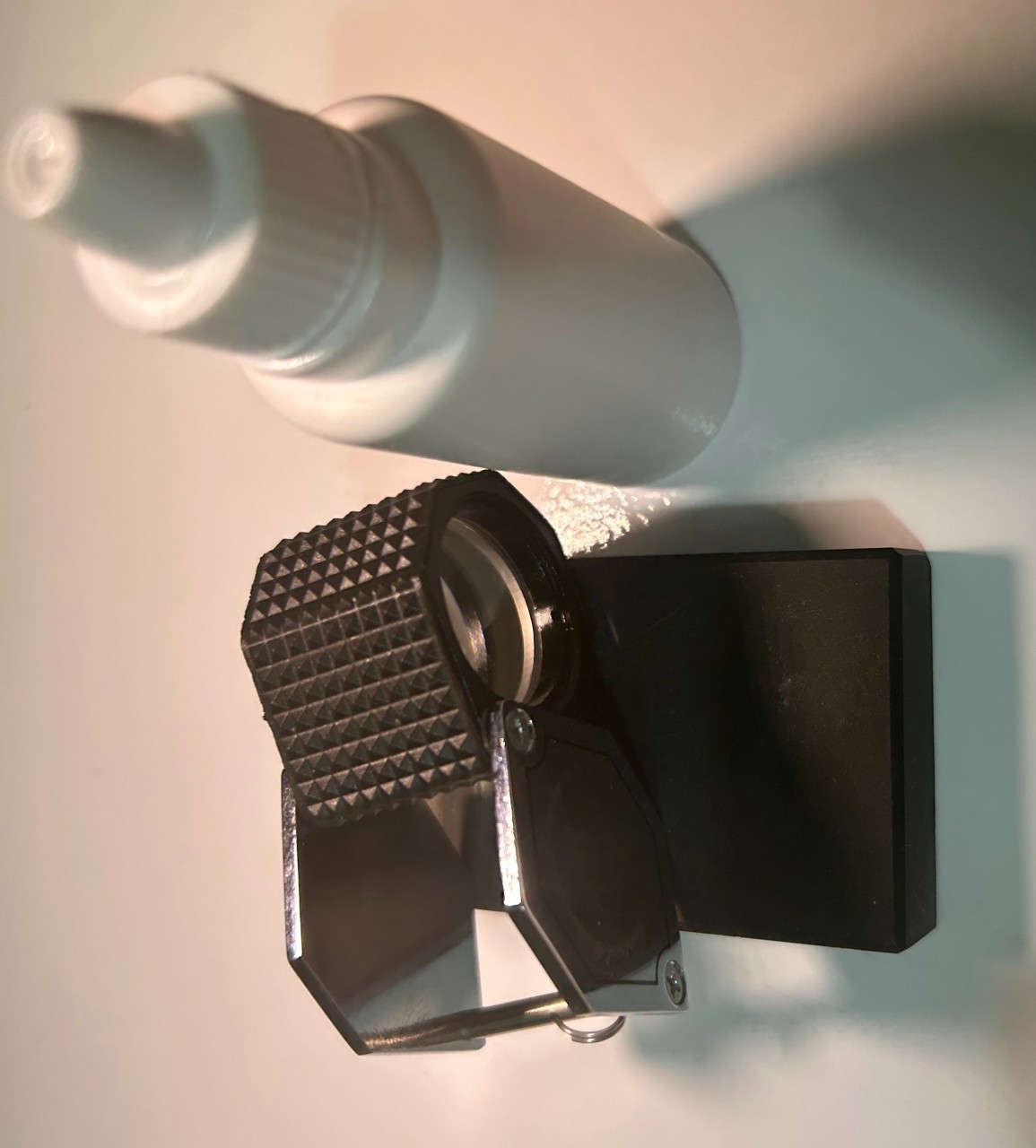
- Proper use of magnification tools
- Discussions with participants about their initial observations and evaluations.
We will analyze items made from:
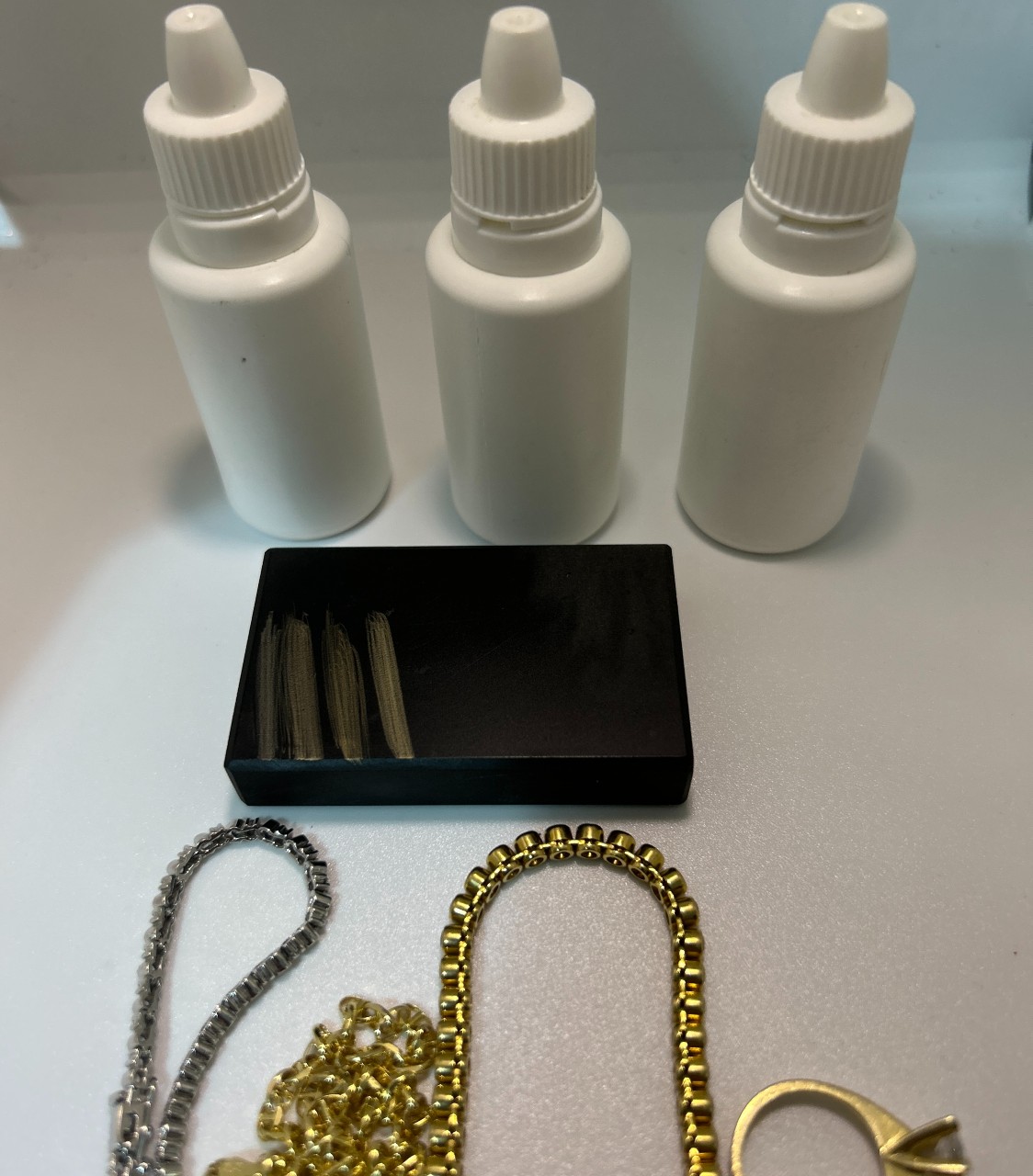
- yellow and white gold of different karats;
- 925 silver;
- 925 rhodium-plated silver;
- 925 gold-plated silver;
- platinum elements/jewelry;
- common metal plated with gold.
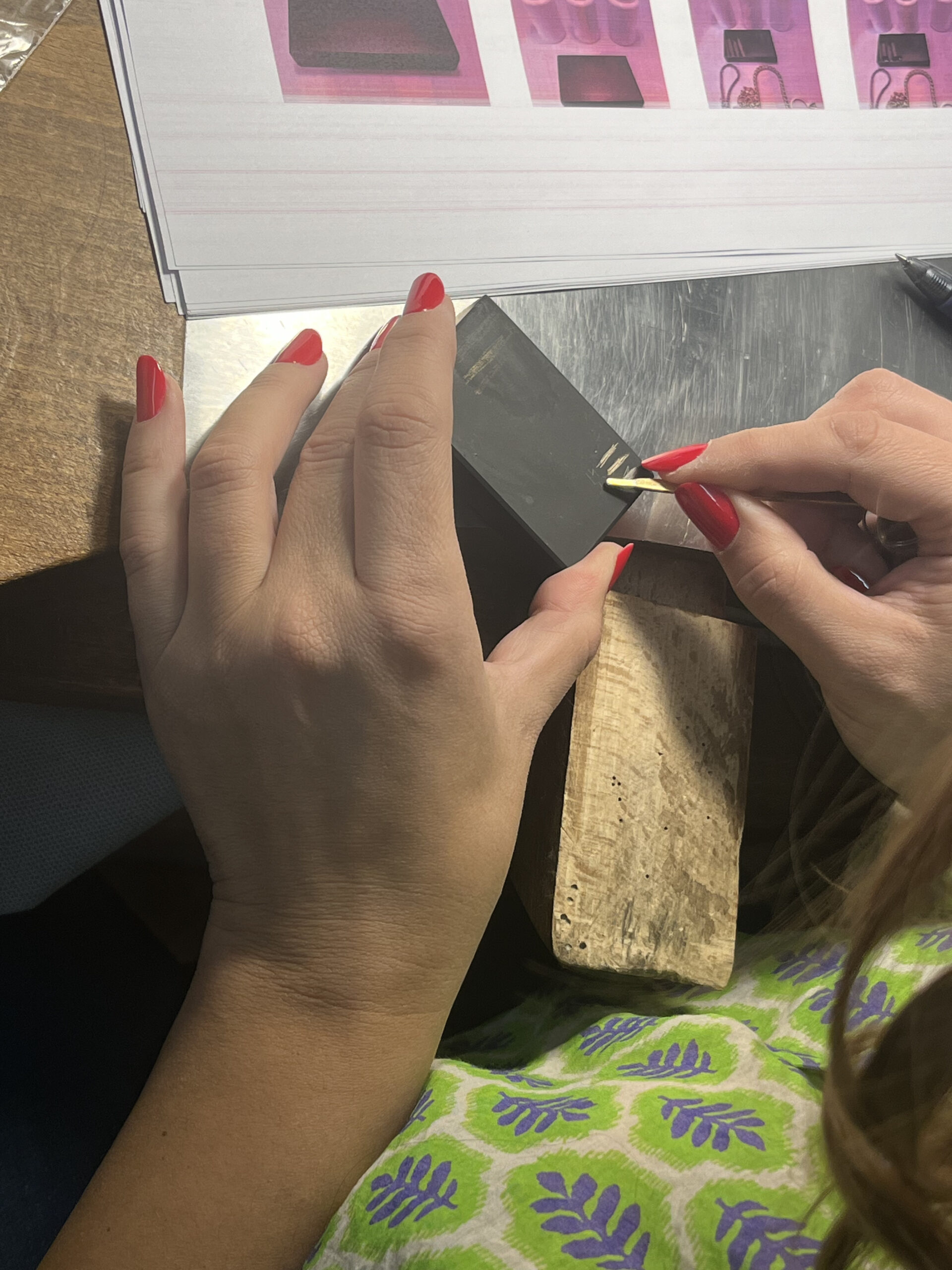
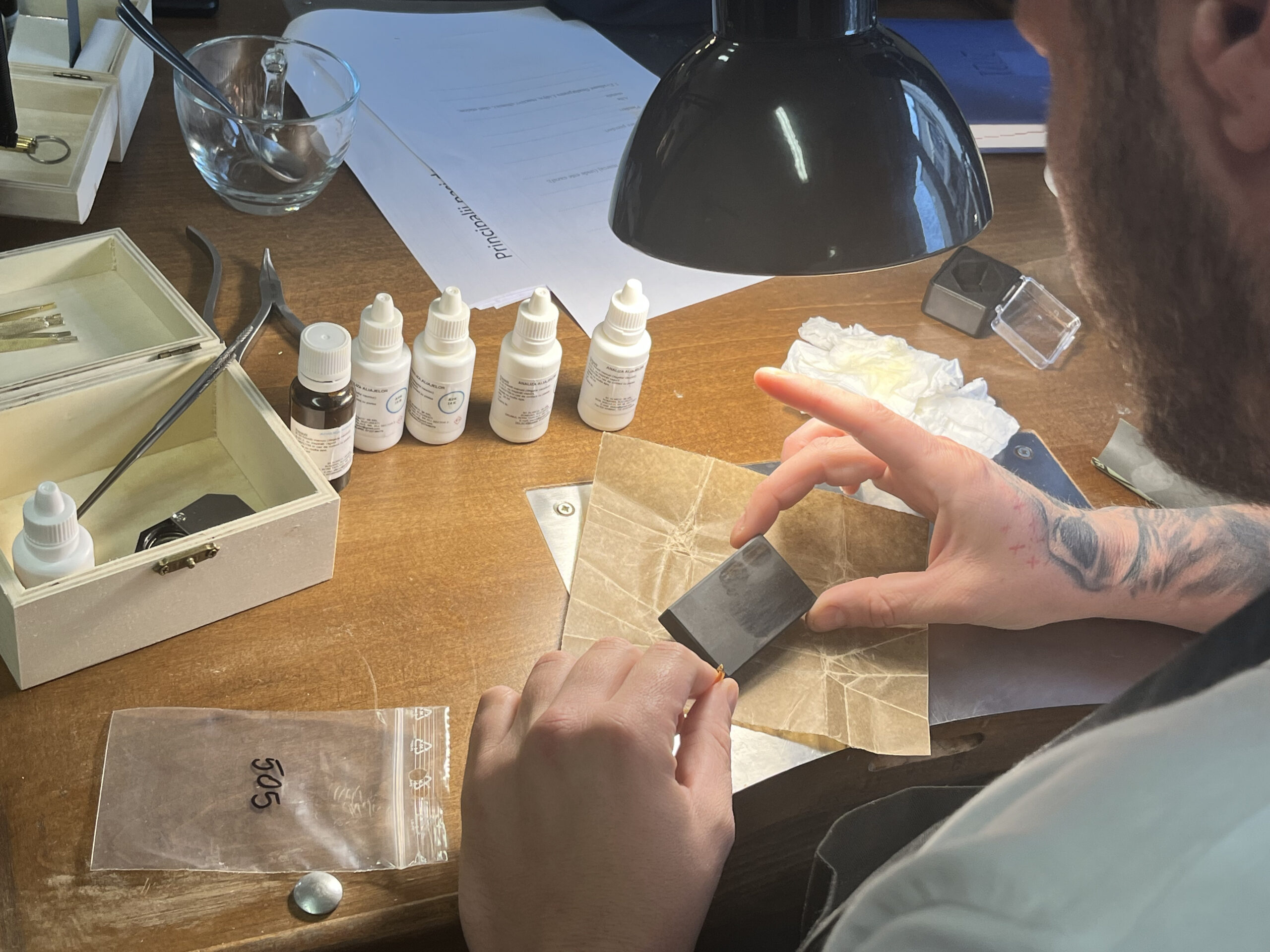
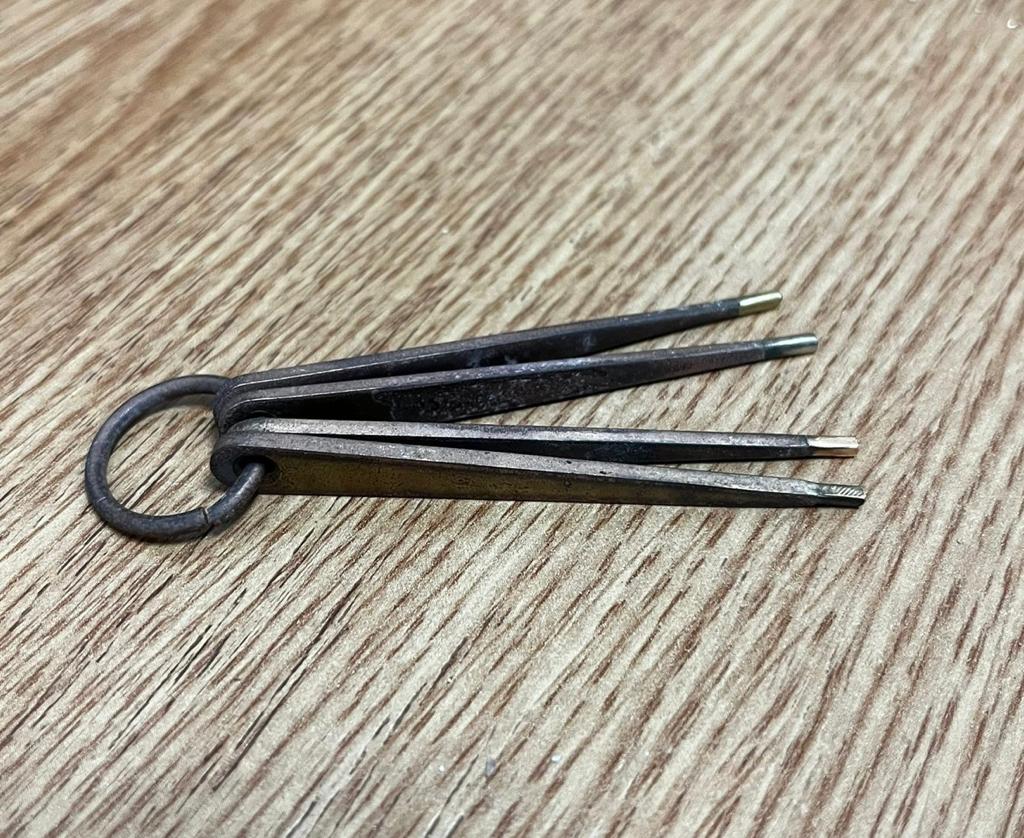
- Description of the necessary testing tools: testing solutions, touchstones, standard keys;
- Practical training for participants in the use of these tools;
- Explanation of the need for safe and proper handling of testing materials;
- Testing techniques and useful tips for effective identification without damaging the jewelry;
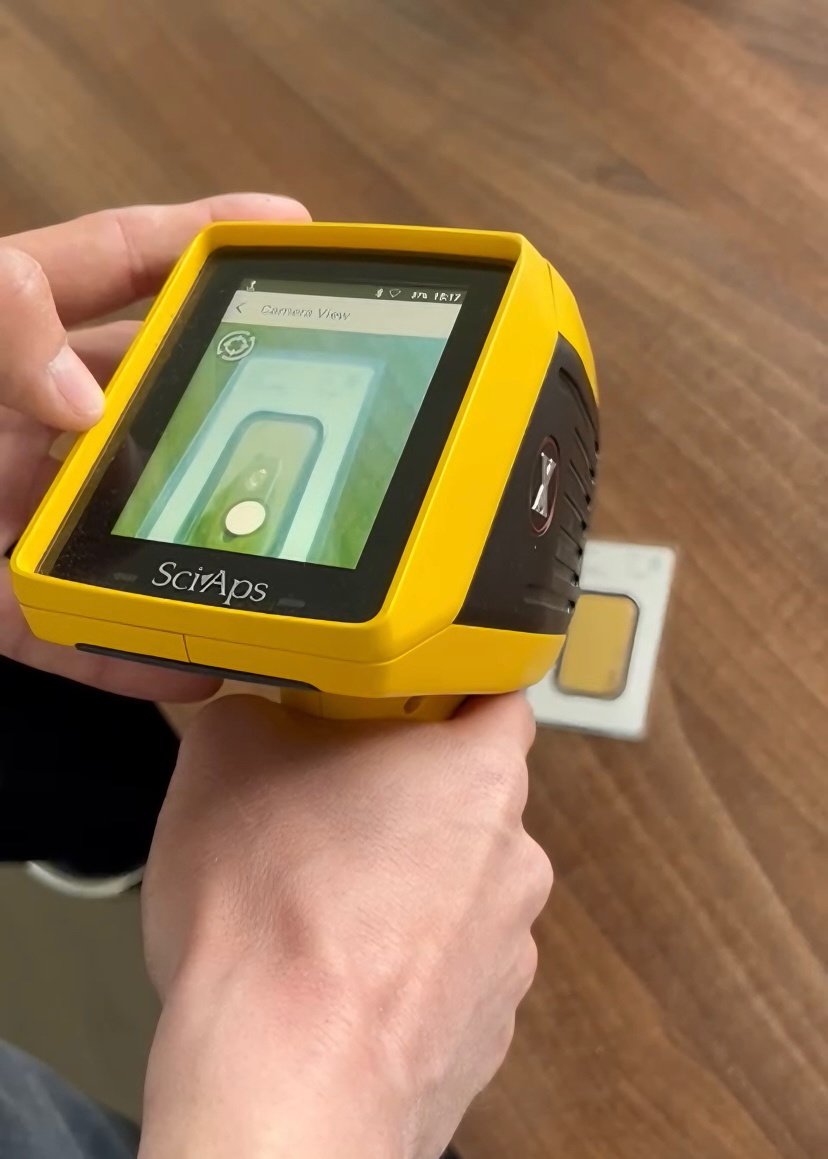
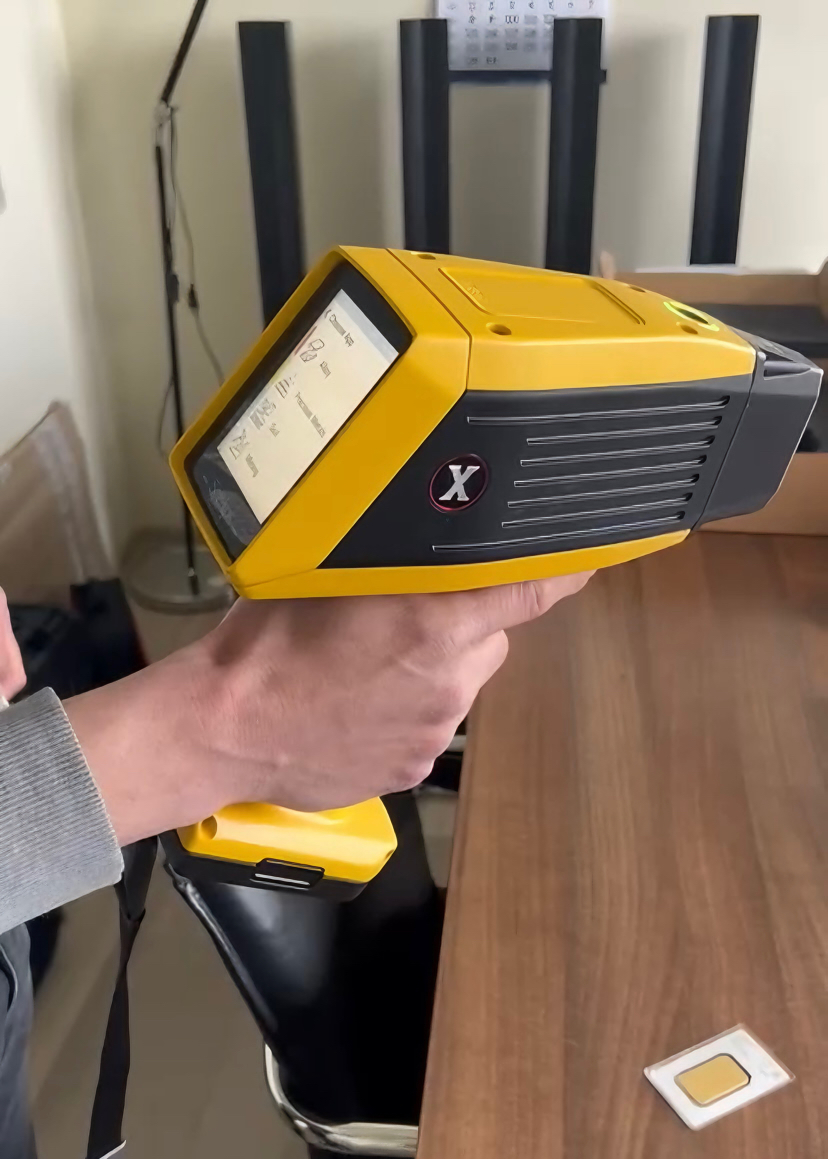
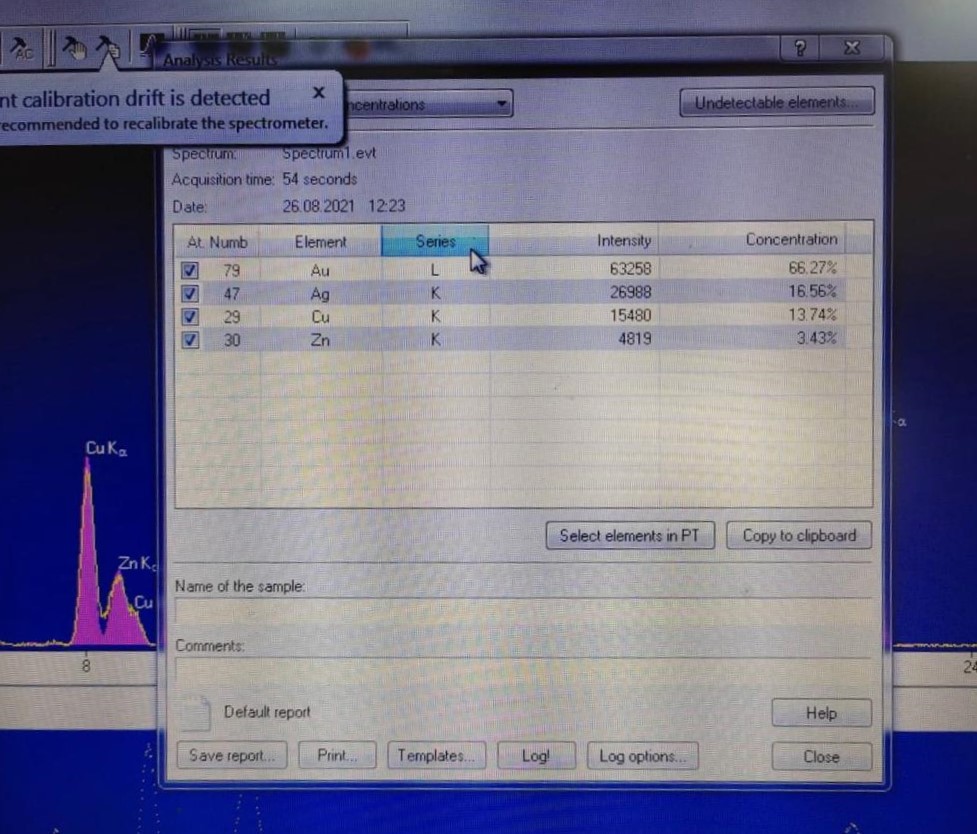
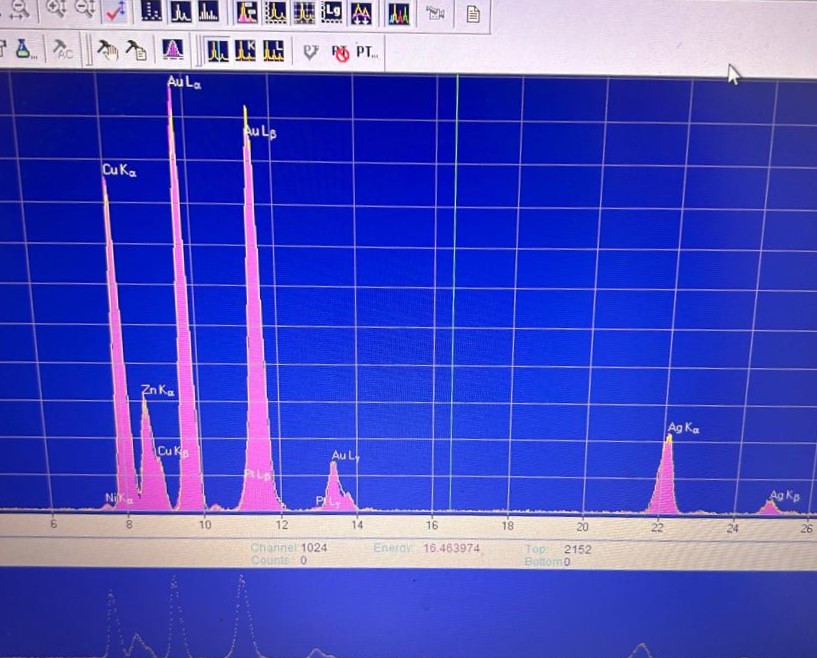
- Explanation of the concept of spectral analysis for alloys;
- Explanation of the types of chemical analysis in accredited laboratories.
- Required legal authorizations.
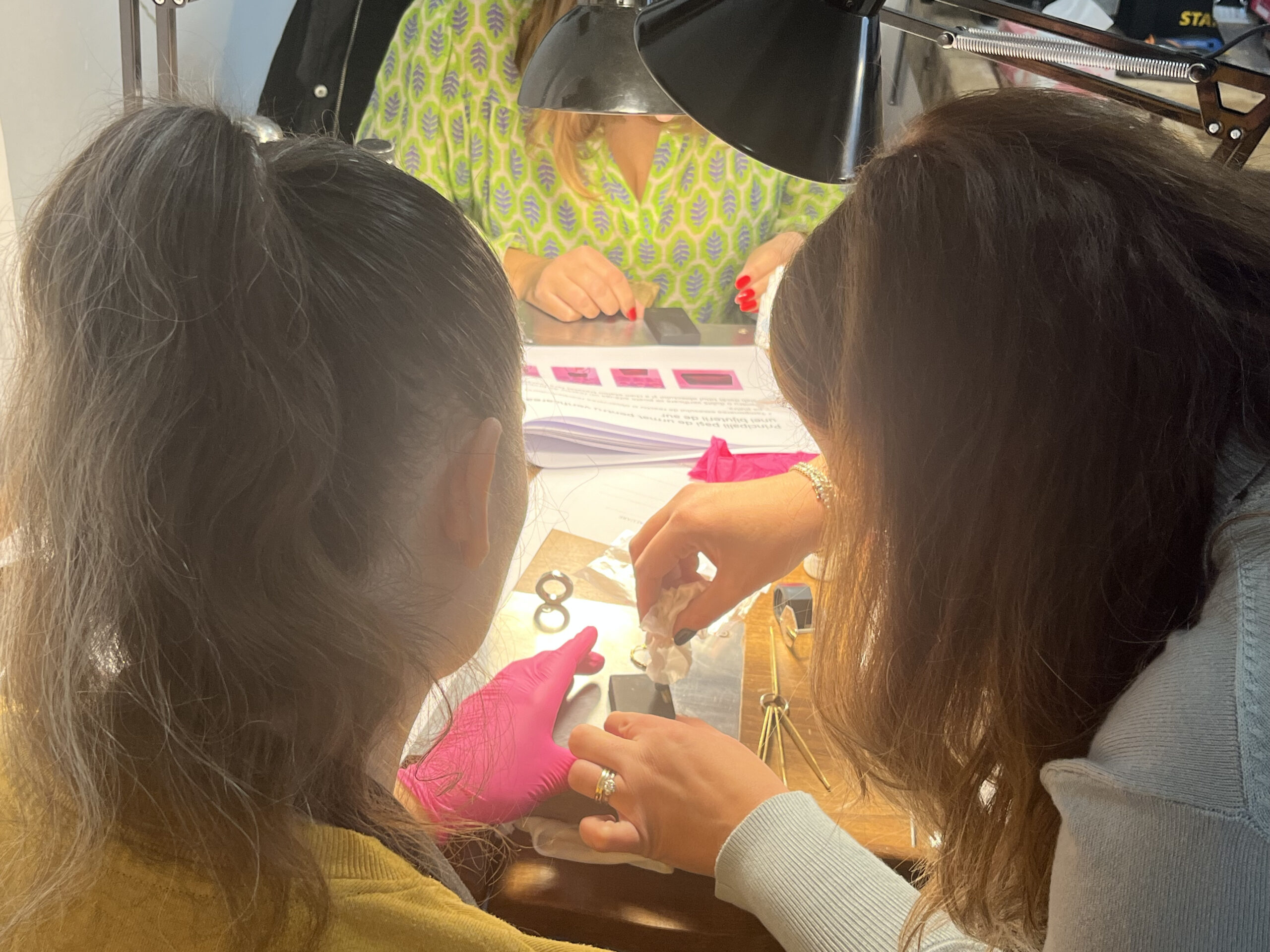
- All participants will go through practical exercises in testing the materials of jewelry items;
- Each participant will test, under the supervision of the instructor, a variety of pieces, including silver, gold, and platinum.
- The precious metal stock market is available to anyone through the internet and specialized websites; presentation of these resources;
- Explanation of gold price calculation based on karat.
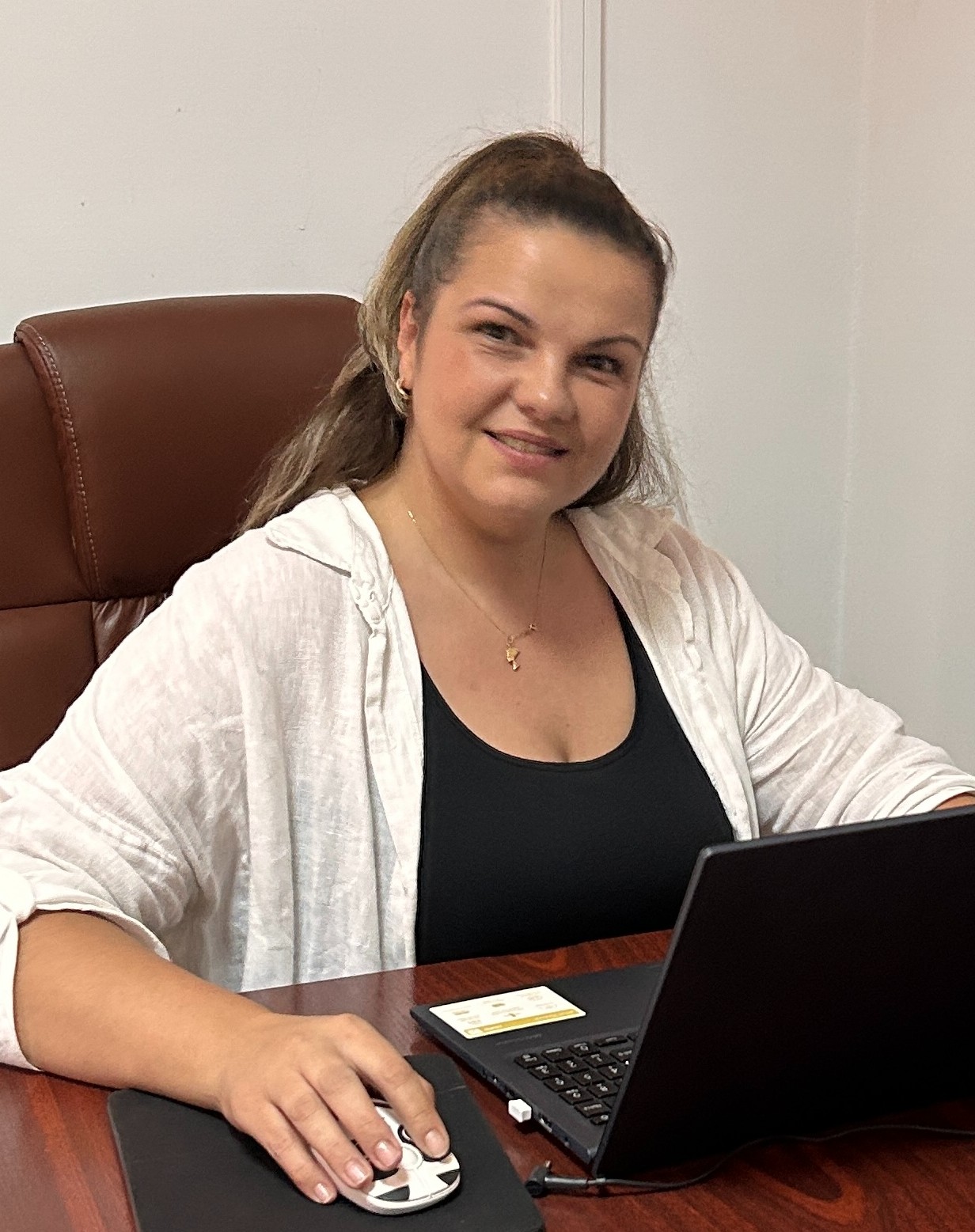
Meet our instructor
Valentina Epure
With an impressive 14-year career in the field of precious metals, Valentina specializes in the verification and evaluation of these valuable materials. She began her journey in 2009 at a pawn shop and has since been affiliated with a major company responsible for purchasing and exporting metals to refineries in Italy and Switzerland—facilities that process an average of 400 tons of gold and silver each year.
Philosophy
Valentina is passionate about sharing the invaluable knowledge she has accumulated throughout her extensive career.
She strongly believes in the power of practical expertise, focusing on enhancing people's skill sets and building their confidence in evaluating and validating precious metals.
Join her to explore the complex world of precious metals and their evaluation. Gain practical skills, expert knowledge, and the confidence to excel in your profession.
Traditional testing methods
Until 2012, Valentina honed her skills using traditional methods, such as testing with the lydian touchstone, standard keys, and chemical reagents. She has the expertise to evaluate up to 5,000 grams of gold daily using these techniques.
Modern techniques
After 2012, much of her work involved evaluating bullion and alloys. Her expertise extends to alloy evaluation, assessing losses during smelting, as well as other advanced verification procedures.
Comprehensive knowledge of metals
Throughout her career, Valentina has evaluated hundreds of kilograms of gold and silver, along with significant quantities of platinum, palladium, and rhodium.
Education
Valentina successfully completed accredited Gemology courses, with a focus on Diamonds and Colored Gemstones, as well as a Jewelry Making course, certified and approved by the Ministry of Labor and the Ministry of Education.
Photo gallery

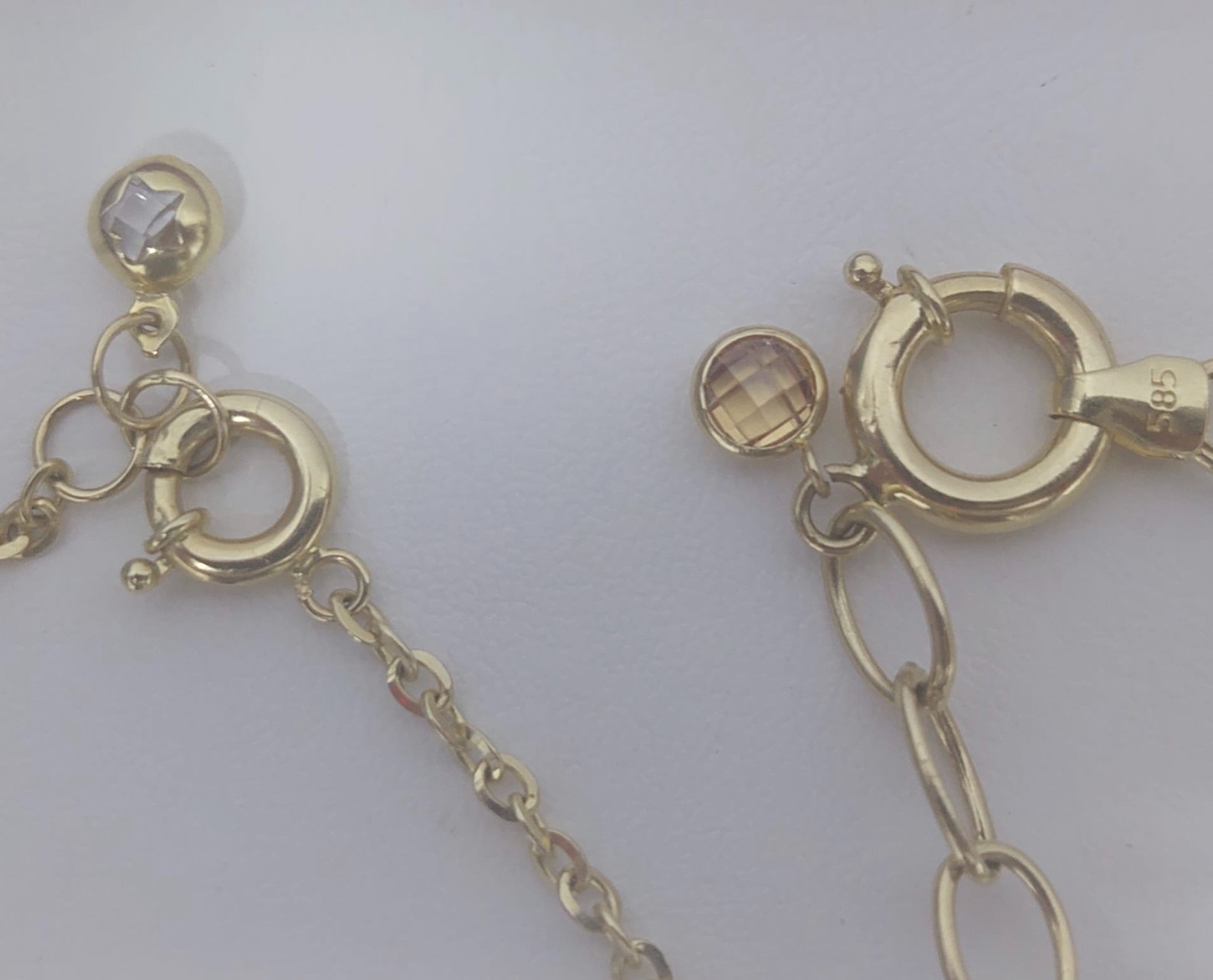
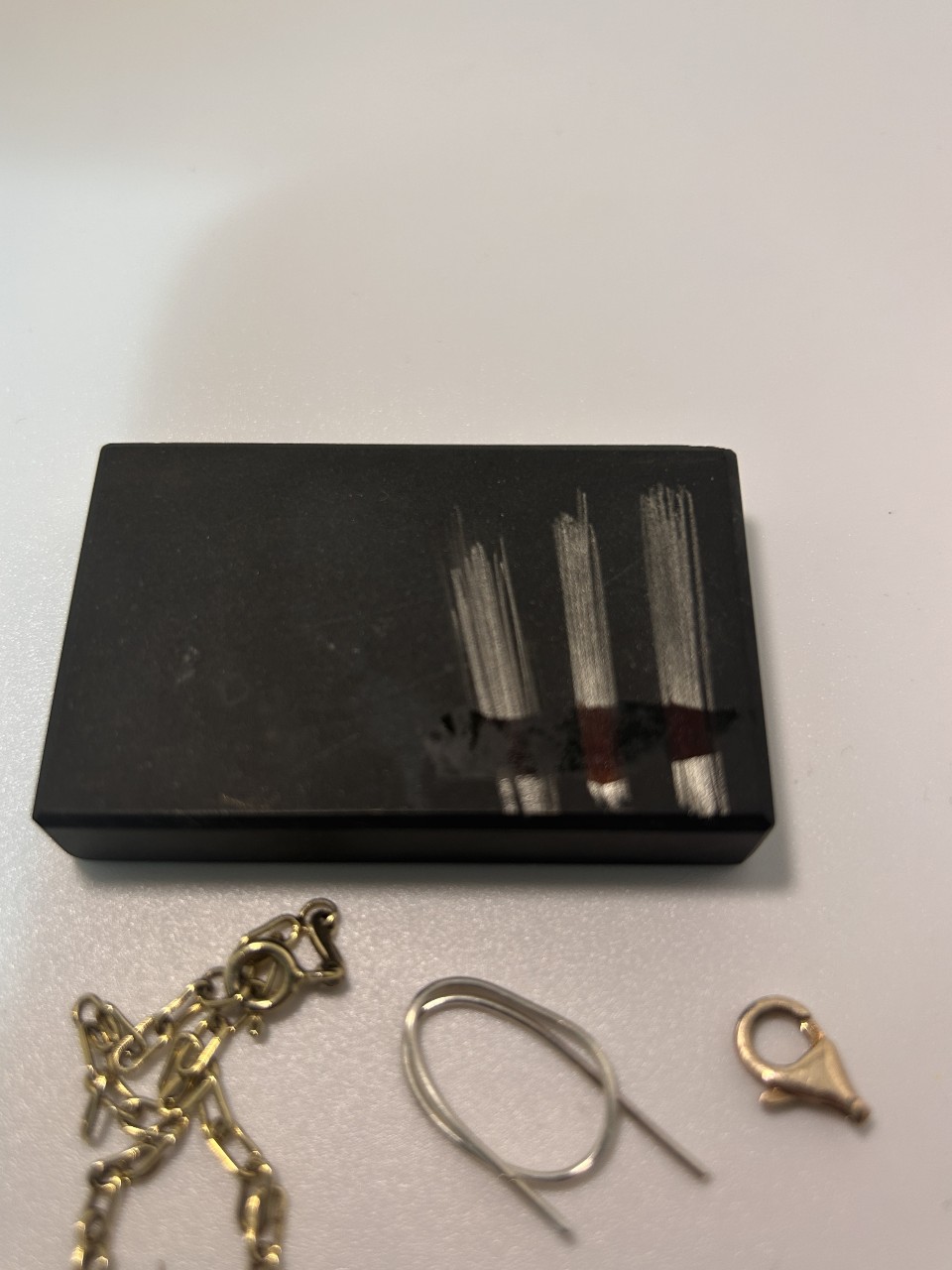

Frequently asked questions
What is the most common mistake pawn shop employees make when testing metals?
Pawn shop employees who lack experience or haven't taken a course in this field make many mistakes due to minimal training. They do not use standard keys, the Lydian stone, and only examine items with the naked eye.
What are the limitations of these traditional methods?
Properly executed traditional testing is limited to identifying standard alloys, commonly used in jewelry making (9k, 12k, 14k, 18k) (Ag925).
Are there modern alternatives to these methods? If so, what do you recommend?
There are several methods for evaluating precious metals. Alternative testing methods for precious metals are performed using spectrometers or in chemical analysis laboratories. They cannot be carried out efficiently without the assistance of specialists in the field.
What should we look for when evaluating bullion?
Good Delivery bullion should primarily be identified by its authenticity, the codes inscribed on it by the producing refinery, and its weight and measurements (length, width, thickness—identified using a caliper) should match those presented on the producer's website. Finally, gold testing methods should be used to verify the purity marked on the bullion.
How has your expertise in gemology helped in your ability to evaluate metals?
Gemology, combined with knowledge of precious metals, has contributed to the ability to more accurately assess the financial value of jewelry with precious stones and to a deeper appreciation of their beauty.
What would be the best advice for pawn shop owners to improve their metal evaluation skills?
My advice to pawn shop owners is to invest as much as possible in the training and development of those responsible for purchasing precious metals.
What level of experience or pre-requisite knowledge do participants need to take this course?
No prior knowledge of precious metals is required, or a beginner/intermediate level is sufficient for participation in this course.
Does the course cover legal guidelines and necessary authorizations for testing precious metals?
The course prepares participants for the correct evaluation of precious metals and provides minimal information on current legislation regarding the legal procedure for selling precious metals, specifically Reverse Taxation. Additional information that may be covered includes the standard marking procedure in relation to the sale of precious metal items.
Will there be any support or resources available after completing the course?
At the end of the course, participants will receive the course materials used throughout the sessions. These materials highlight the main ideas and steps that must be followed for the correct and efficient verification of jewelry.
The jewelry will be tested
Sign up for the course
Sign up for the pawnbroker course.
Address
Strada Stockholm 5, București
TIME SCHEDULE
MONDAY - FRIDAY: 10:00 - 17:00
Contact
Phone: +40 766 795 489
Email: contact@galeriilevoicu.ro